
Caring for someone you love is meaningful and deeply personal. It can also be demanding – emotionally, physically and practically. Short term respite care offers a valuable pause, providing professional support for your loved one while you take time to rest, reset or focus on other commitments.
At Aria Care, we see respite care not as a break from care, but as part of caring well…for everyone involved. In this guide, we explain what short term respite care is, who it’s for, what to expect during a stay, and how it can support both carers and the people they care for.

Short term respite care provides temporary support for someone who usually lives at home and is cared for by a family member or friend. During this time, care is provided by trained professionals in a safe, welcoming environment, often within a care community.
Respite stays can last from a few weeks to several months, depending on individual needs and circumstances. People choose respite care for many reasons, including:
At Aria Care, respite residents are welcomed into our communities in the same way as long-term residents – with warmth, respect and personalised support.
To ensure every respite stay is safe, comfortable and meaningful, we follow a careful preparation process. Our minimum respite stay is two weeks, as this allows time to get everything right for the individual.
Before a respite stay begins, we take time to:
This thoughtful preparation helps people settle quickly and feel at home.
Caring for elderly relatives or friends can be incredibly fulfilling, but the demands of managing daily activities, medical appointments, and personal care can take its toll. Respite care supports both carers and the people they care for. Its benefits are wide-ranging and often felt quickly.
As a quick overview, the benefits of respite care include:
Let’s look at the detail:
Caring for another person can be physically and emotionally demanding. Respite care allows carers to pause, rest and regain energy – much like recharging a battery. This time away can help reduce stress and support long-term wellbeing. Sometimes, some much-needed quality time to interact with family and friends is just the tonic a carer needs to reset and recharge.
Respite care creates space for carers to focus on themselves, whether that’s reconnecting with friends over coffee, attending that flower arranging class that you’ve been interested in for ages or other hobbies, exercising or enjoying a peaceful walk in the park together with family, or simply having a quiet moment to breathe. Looking after yourself helps you continue caring with confidence and compassion.
As the old saying goes, absence makes the heart grow fonder! Time apart can ease pressure within caring relationships. Many carers return feeling refreshed, more patient and reassured. Often, they also gain new insights or ideas from professional care teams that support care at home. Remember, you are only able to help someone else if you are feeling emotionally and mentally strong and physically well in yourself.
For the person receiving care, a respite stay offers opportunities to connect with others, enjoy activities, and experience a change of pace, all within a supportive, familiar-feeling environment.
Knowing your loved one is safe, supported and cared for by experienced professionals allows you to relax fully. Many carers find reassurance in having a trusted option available when they need it.
To ensure every respite stay is safe, comfortable and meaningful, we follow a careful preparation process. Our minimum respite stay is two weeks, as this allows time to get everything right for the individual.
Before a respite stay begins, we take time to:
This thoughtful preparation helps people settle quickly and feel at home.
A garden designed for sensory engagement should feel vibrant, comforting and varied. To achieve this, consider:
Aromas
Lavender, mint, rosemary, thyme, jasmine and lemon balm can evoke memories, promote relaxation and invite exploration.
Textures
Plants such as lamb’s ear, ornamental grasses, ferns and soft herbs encourage gentle touch.
Visual interest
Use contrasting colours, seasonal flowers, and varying heights to support visual stimulation without overwhelming the senses.
Sound
Wind chimes, rustling grasses or soft water features can create a calming atmosphere and support orientation.
Taste
Edible herbs, berries and salad leaves offer curiosity, flavour and seasonal connection.
People should feel able to pause, rest and enjoy the space at their own pace.
Caring for elderly relatives or friends can be incredibly fulfilling, but the demands of managing daily activities, medical appointments, and personal care can take its toll. Respite care supports both carers and the people they care for. Its benefits are wide-ranging and often felt quickly.
As a quick overview, the benefits of respite care include:
Let’s look at the detail:
Traditional plants such as roses, honeysuckle or herbs offer comfort through recognition and can initiate personal memories or stories.
As the old saying goes, absence makes the heart grow fonder! Time apart can ease pressure within caring relationships. Many carers return feeling refreshed, more patient and reassured. Often, they also gain new insights or ideas from professional care teams that support care at home. Remember, you are only able to help someone else if you are feeling emotionally and mentally strong and physically well in yourself.
Knowing your loved one is safe, supported and cared for by experienced professionals allows you to relax fully. Many carers find reassurance in having a trusted option available when they need it.
Respite care creates space for carers to focus on themselves, whether that’s reconnecting with friends over coffee, attending that flower arranging class that you’ve been interested in for ages or other hobbies, exercising or enjoying a peaceful walk in the park together with family, or simply having a quiet moment to breathe. Looking after yourself helps you continue caring with confidence and compassion.
For the person receiving care, a respite stay offers opportunities to connect with others, enjoy activities, and experience a change of pace, all within a supportive, familiar-feeling environment.
Respite care can be particularly valuable for people living with dementia and those who support them.
In a specialist dementia care community, individuals benefit from:
At Aria Care, we take a person-led approach. We learn what matters to each individual (their routines, interests, history and preferences) so care feels consistent, respectful and supportive, even for a short stay.
Each of our homes has Dementia Champions who help promote inclusive practice and meaningful engagement, ensuring people living with dementia feel understood and valued.
Short Term Respite Care for People Living with Dementia
Respite care can be particularly valuable for people living with dementia and those who support them.
In a specialist dementia care community, individuals benefit from:
At Aria Care, we take a person-led approach. We learn what matters to each individual (their routines, interests, history and preferences) so care feels consistent, respectful and supportive, even for a short stay.
Each of our homes has Dementia Champions who help promote inclusive practice and meaningful engagement, ensuring people living with dementia feel understood and valued.
We approach respite stays with the same care and attention as permanent residency. During a short-term stay, you can expect:
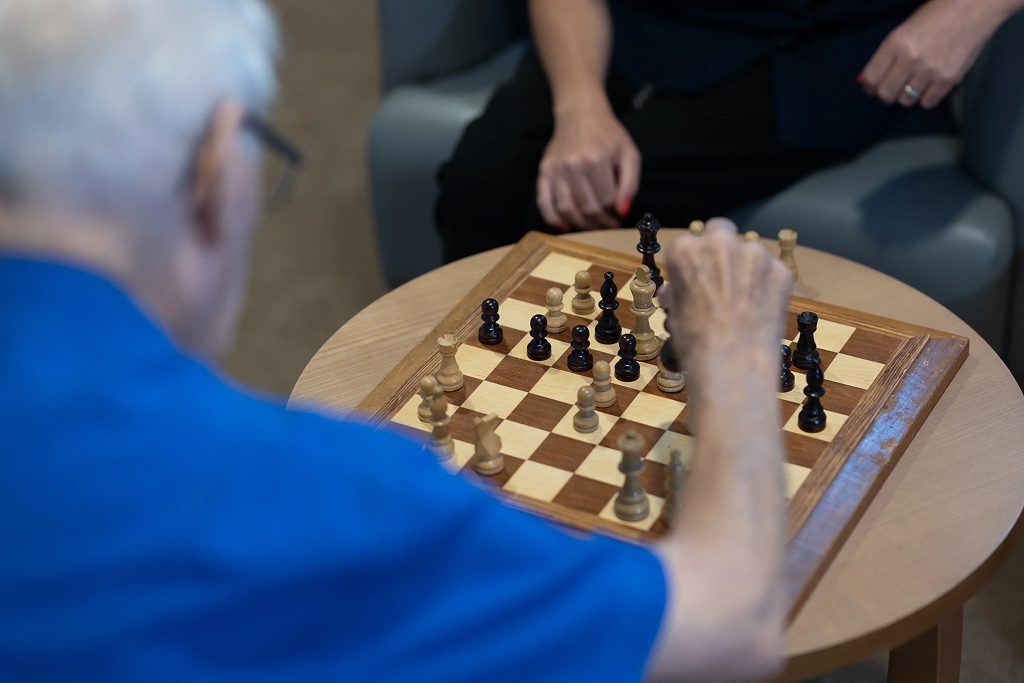
If you choose to partake in some activities and events while in our care, rest assured, there is plenty of choice! We play games, enjoy the garden together, organise outings in and around the local areas, invite community groups to visit us, organise sing-a-longs and performances, and celebrate special events – you name it, we’ve celebrated it!
There is never pressure to take part in activities, choice and comfort always come first.
All our staff are fully trained care professionals, and the majority of our staff are long-standing so, you’ll benefit from a wealth of life experience too. Plus, our staff and residents are a social bunch ensuring no resident ever feels isolated of lonely. Loved ones are kept up to date with a resident’s experience with us, regardless of distance.
Our chefs understand that food for the elderly is not always straightforward. For instance, a resident with dementia may find it difficult to sit down and eat a meal with a knife and fork and set times, so may do better with finger foods or softer foods for a delicate palette. Food and nutrition will be covered in your initial assessment and care planning stages prior to your stay with us so we can ensure some of your favourite meals and foods are on the menu during your stay to help you feel at home.
There is never pressure to take part in activities, choice and comfort always come first.
All our staff are fully trained care professionals, and the majority of our staff are long-standing so, you’ll benefit from a wealth of life experience too. Plus, our staff and residents are a social bunch ensuring no resident ever feels isolated of lonely. Loved ones are kept up to date with a resident’s experience with us, regardless of distance.
Our chefs understand that food for the elderly is not always straightforward. For instance, a resident with dementia may find it difficult to sit down and eat a meal with a knife and fork and set times, so may do better with finger foods or softer foods for a delicate palette. Food and nutrition will be covered in your initial assessment and care planning stages prior to your stay with us so we can ensure some of your favourite meals and foods are on the menu during your stay to help you feel at home.
The cost of respite care depends on individual care needs, location and the chosen home.
You can:
For more information on funding and assessments, visit your local council’s website or speak to our friendly team for guidance.
Short term respite care offers breathing space, for carers and for those they care for. It’s a chance to rest, reconnect and feel supported, knowing care continues with kindness and professionalism.
If you’d like to learn more about respite care at Aria Care, or arrange a visit to one of our communities, we’d be delighted to hear from you. Contact us at your convenience.
RELATED ARTICLES:
Related respite care articles you may also find useful:
Games for Dementia: Which Ones Are Good And Why?

Are residential nursing homes right for your elderly parent?

How Does Animal-Assisted Therapy Help with Dementia?
Therapy Dolls For Dementia: What Are They And How Do They Help?
Share this post
More from Aria Care