Music has long been known to lift moods, comfort hearts, and bring joy, but its impact on memory and music is just as powerful. Listening to or performing music is deeply intertwined with the brain’s memory systems, often unlocking moments and emotions that might otherwise be hidden.
Researchers call this the music-memory connection, the way familiar songs can awaken detailed memories, even in those living with dementia. At Aria Care, we see this every day – a melody can bring so much comfort and is a great conversation starter too!
Associative Memory: Music as a Pathway to the Past
Emotional Memory
Music is closely linked to our emotions. When a song is associated with a meaningful life event, it becomes a powerful cue for recalling that experience. Hearing the first dance from a wedding or a favourite childhood tune can instantly bring back the feelings that moment created.
Contextual Memory
Music can act as a time machine. A familiar song may transport someone back to a certain place, person, or milestone – a film soundtrack, a lullaby, or even a football anthem. You may not remember every detail, but you remember how you felt, and that’s what makes the bond between memory and music so profound.

The Science Behind Music and Memory
The Role of the Brain
The hippocampus, a region of the brain vital for memory, is also engaged when we listen to music. Stimulating this area through rhythm and melody supports the encoding and retrieval of memories.
The amygdala, which processes emotion, works in partnership with the hippocampus. Emotionally charged music strengthens the memory of experiences tied to that emotion, helping them stay vivid and easier to recall.
Memory, Music, and Dementia
Dementia is an umbrella term describing a range of conditions that affect memory, language, and thinking skills. Alzheimer’s disease is one of the most common forms. While dementia can change how a person remembers or communicates, their emotional connection to music often remains strong.
Music Therapy
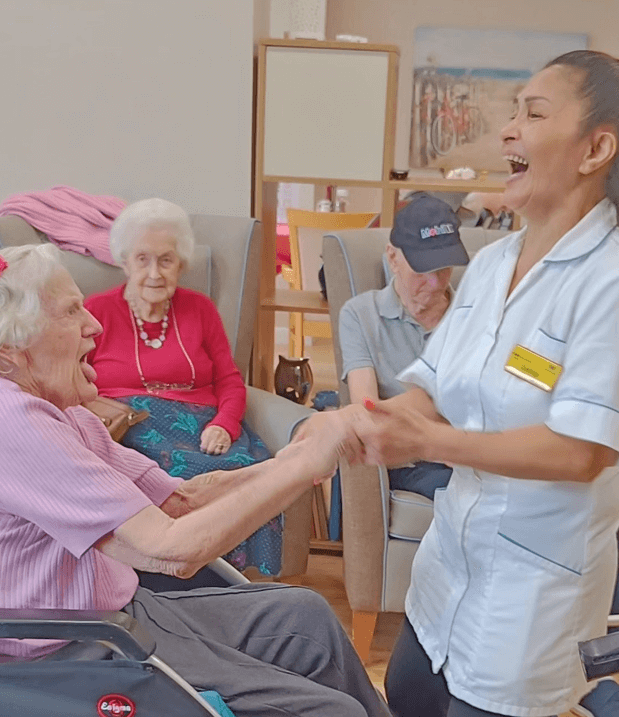
Music therapy is widely used to support people living with dementia and Alzheimer’s disease. Even when verbal communication becomes difficult, familiar tunes can evoke memories and conversation.
Professor Sebastian Crutch*, a leading dementia expert, explains:
“Brain imaging studies show how many different circuits light up when we hear music. Because music is multi-sensory, it stimulates memory circuits, memories of events that are perhaps attached to songs, and parts of the brain that are often well preserved in Alzheimer’s disease like our emotional circuits and our ability to sense rhythm, pitch.”
“Mood changes are very common in dementia, but music can instantly calm, soothe or lift their moo – making it such a great tool for families and caregivers alike.”
Temporal Memory
Music with clear rhythm can also help people maintain a sense of timing and structure. This is particularly useful for supporting routines or activities of daily living, helping people stay connected to the rhythm of the day.
Music, Learning and Memory
Music isn’t only linked to past memories, it also helps us create new ones.
Educational Memory
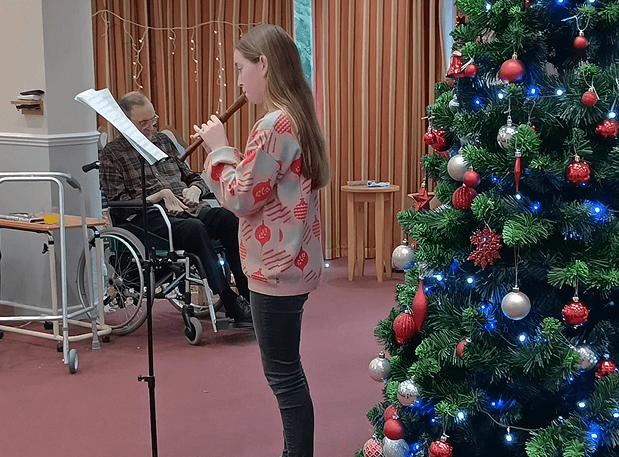
songs are often used to teach and reinforce learning. Setting facts to melody (like the alphabet song) makes information easier to retain (a technique known as musical mnemonics).
Repetition and Melody
Catchy tunes and repetitive patterns strengthen recall. That’s why even decades later, many of us can still sing classroom songs or TV jingles from childhood. The Alphabet song is probably the most obvious example of this, and for any keen scientists, you’ll probably remember learning some kind of song to help remember the elements of the periodic table!
Personal Memories and the Power of Nostalgia
Music is woven into our life stories.
Autobiographical Memory
Certain songs become the soundtrack to specific life chapters, a wedding dance, a favourite concert, or a song that reminds us of family car journeys. These moments stay embedded in our autobiographical memory, ready to resurface with a single note.
Nostalgia in Action
One of our residents at Aria Care is a lifelong Liverpool FC fan. Though he now lives with dementia, hearing the club’s anthem You’ll Never Walk Alone never fails to bring a smile, and he still sings every word with pride. It’s a beautiful example of how music and memory remain connected even when other forms of recall fade.
Music Therapy at Aria Care
At Aria Care, music therapy is an important part of our dementia care approach.
We take time to understand each resident’s life story, interests, and past experiences. This insight helps us create personal playlists that bring comfort, familiarity, and joy. By tapping into long-term memory, music helps residents feel grounded in the present.
Sue, Home Manager at Abbeycrest Nursing Home, explains:
“Some people living with dementia may not recall what they had for breakfast, but play their favourite song, and they’ll sing along every word.
We had one resident who became agitated at times. When we discovered his love of reggae music, everything changed. Now, when he feels unsettled, we play Bob Marley, and it calms him completely. It inspired our team to create a playlist for every resident – a soundtrack to their life.
These personalised playlists – a key part of our music and memory sessions – help residents reconnect with themselves, their past, and the people around them.

The Power of Memory and Music
Music has a remarkable ability to reach places words cannot. It can soothe, comfort, energise, or bring someone gently back to the present. For people living with dementia, memory and music together offer a bridge to their past and a pathway to emotional wellbeing.
At Aria Care, our mission is to help every person feel understood, valued, and safe. Through music therapy and personalised care, we celebrate the stories and memories that make each resident who they are.
If you’d like to see the joy music can bring, why not book a visit to your nearest Aria Care community and experience it first-hand?
*Comments taken from interview with Professor Steven Crutch on ITV’s This Morning programme.
RELATED ARTICLES:
Related respite care articles you may also find useful: