For many people, animals bring comfort, joy, and a sense of connection. In dementia care, this bond becomes even more powerful. Animal-assisted therapy (the guided use of trained animals to support all aspects of wellbeing) has become an invaluable part of holistic dementia support across the UK.
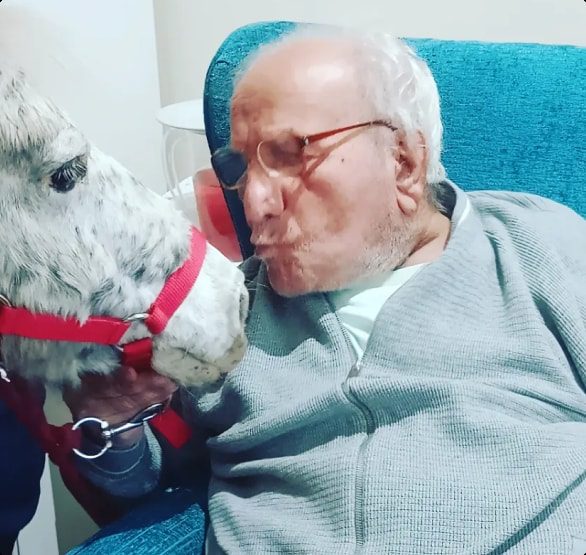
At Aria Care, we see every day how gentle interactions with a therapy dog, rabbit, or even a visiting miniature pony can help someone with dementia feel more grounded, more themselves, and more at ease. This isn’t simply a “nice activity”, it’s an evidence-informed approach that strengthens wellbeing through sensory stimulation, and emotional reassurance.
Below, we look at how animal-assisted therapy supports people living with dementia and how we integrate animal therapy in care homes across Aria Care communities.
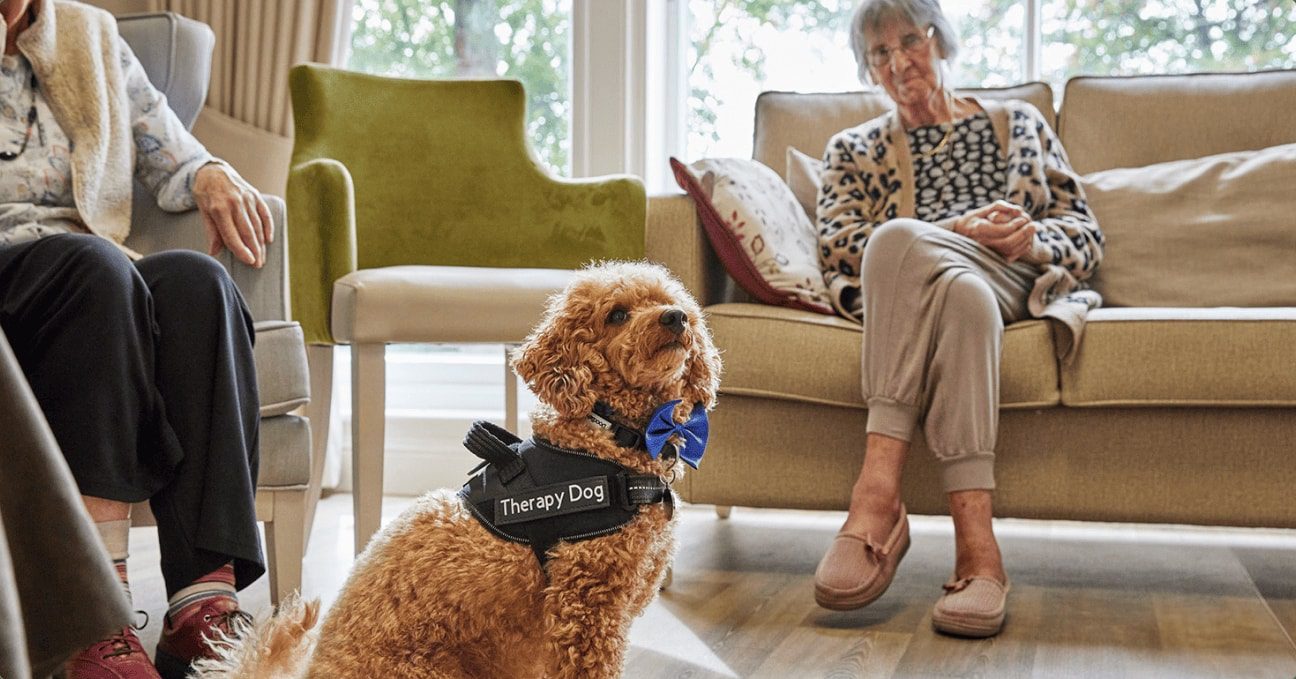
Emotional and Social Connection
One of the most meaningful benefits of animal-assisted therapy is the way it creates emotional bonds. A calm animal creates a moment of safety, a gentle space where someone with dementia may smile, engage, or communicate in a way they haven’t for a while.
Even those who find verbal communication difficult may respond to the warmth of a therapy dog curled at their feet or the rhythmic motion of stroking soft fur. These sensory cues can:
- Ease feelings of loneliness
- Spark memories of past pets or special moments
- Encourage gentle conversation
- Help someone feel more present and in that moment.
In our communities, we often see residents who are usually quiet begin reminiscing about childhood pets or sharing stories their families have never heard before, moments that strengthen identity and help with attachment.
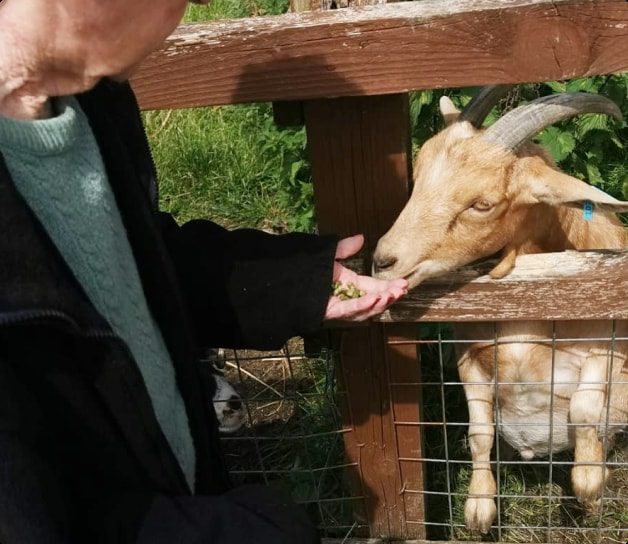
Reducing Stress and Anxiety
Many people living with dementia experience anxiety, restlessness, or sudden changes in mood. The simple act of touching an animal can have an immense physiological effect.
Gentle interaction with an animal can:
- Lower cortisol (the stress hormone)
- Release endorphins
- Reduce agitation
- Promote relaxation
- Improve sleep patterns
At Aria Care, touch is an important part of our dementia strategy Whether it’s a warm handhold, a comforting shoulder rub, or the soft reassuring texture of a therapy dogs fur coat, we know that sensory experiences can ease distress quickly and kindly.
Enhancing Cognitive Function and Engagement
Animal-assisted therapy has been linked to improvements in cognitive abilities for individuals with dementia. The presence of animals can stimulate cognitive processes such as attention, memory, and problem-solving. Engaging in activities like grooming, feeding, or playing with a therapy animal can help maintain cognitive skills and provide a sense of accomplishment. For instance, a person living with dementia may be tasked with simple commands or activities, like teaching a therapy dog to perform tricks. This can improve their cognitive function and boost self-esteem.
While animal-assisted therapy does not aim to “restore” memory, it does help stimulate cognitive pathways that support attention, initiation, and problem-solving.
A therapy visit can gently prompt:
- Recognition (“I used to have a dog like this…”)
- Reminiscence
- Sequencing (brushing…feeding…stroking)
- Decision-making (“Shall we give him a treat?”)
- Communication
These small but meaningful actions help maintain good cognitive skills and boost confidence. For some residents, being invited to take part in a simple task like holding a lead, brushing a coat, or giving a gentle command, can bring a sense of achievement and purpose to their day.
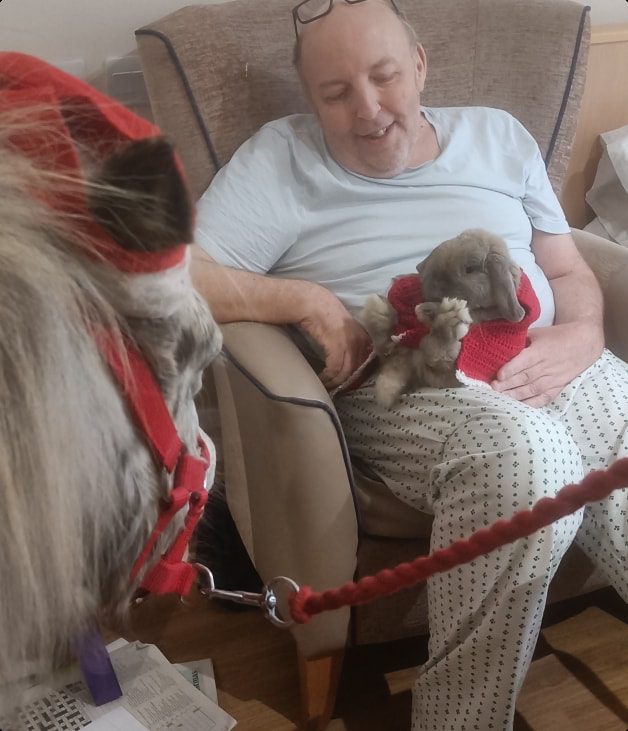
Supporting Physical Activity and Movement
Interacting with pets can encourage individuals with dementia to engage in physical activities and exercise. Playing with a dog or taking it for a walk can promote movement and increase mobility. These activities help maintain muscle strength, improve balance, and support overall physical well-being. On the last visit from our colleagues at Pets As Therapy, our dementia residents were throwing a ball for the therapy dog which motivated them to move around and engage in light exercise without them even realising it!
During our recent visit from Pets As Therapy, residents who often prefer to sit quietly were throwing balls, reaching to stroke the dog, and engaging in gentle movement without feeling they were taking part in “exercise.”
These small bursts of activity can support:
- Strength and balance
- Joint mobility
- Coordination
- Overall health and wellbeing
Movement becomes meaningful when it’s driven by connection rather than instruction.
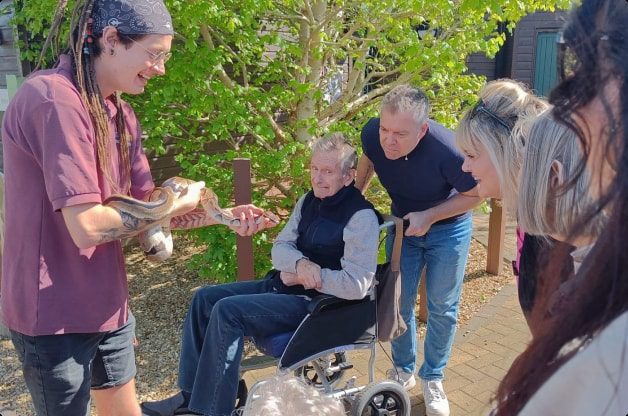
Encouraging Social Interaction and Communication
Animals act as a bridge between people. They create shared moments that encourage interaction between residents, families, and team members.
Therapy animals help:
- Ease communication barriers
- Build rapport with care teams
- Prompt storytelling and conversation
- Support group activities
A resident who may struggle to express their needs might suddenly find the words when asked about a pet they once loved.
Animal Therapy in Care Homes – Aria Care’s Approach
Across Aria Care communities, animal therapy in care homes is integrated thoughtfully into daily life. We welcome trained therapy animals – often through our partnership with Pets As Therapy, and we’re guided by each resident’s preferences, history, and comfort levels.
We spend time getting to know each person:
- Did they grow up with animals?
- Do they respond well to touch?
- What brings them comfort?
- Is there a particular animal they feel connected to?
This understanding ensures each session is personalised, meaningful, and grounded in dignity.
Evening: Winding Down at Wytham House
Sue, Home Manager at Abbeycrest Nursing Home, shared a recent experience:
“One gentleman with advanced dementia often became distressed, which sometimes affected others around him. We discovered he loved reggae, and he also responded beautifully to dogs. When he became unsettled, we played his favourite music. The calming effect was instant. Similarly, he remained calm during animal visits too.
Now, with personalised playlists and planned therapy visits, he feels more secure, more himself. It inspired the team to build a ‘playlist for life’ for every resident.”
Highlights like these, emphasise why animal-assisted therapy is more than activity, it’s compassionate person-led care.
Why Animal-Assisted Therapy Matters in Dementia Care
The connection between memory, identity, and sensory experience is powerful. For many people living with dementia, animals help bridge the gap between past and present, supporting:
- Emotional stability
- Comfort
- Belonging
- Confidence
- Communication
- Joy
At Aria Care, we see animal-assisted therapy as part of a broader commitment to Living with Heart, Loving with Care, creating experiences that help residents feel safe, valued, and understood.
If you’d like to experience animal-assisted therapy and our dementia support in action, we’d be delighted to welcome you for a visit. Contact your local Aria Care community to arrange a time that suits you.
RELATED ARTICLES:
Related respite care articles you may also find useful: